 Make Payment
The Power of Comfort & Collaboration: How West End Heating & Air Helps Richmond-Area Homes…
How Richmond Home Owners Should Prepare for Bitter Cold and Ice!
If you are in Richmond, Glen Allen, Short Pump, or Chesterfield you know that this winter storm is quickly approaching. Here are a few tips to help you batten down the hatches before, during, and after the weather shows up. 🥶
🏠 Disconnect Hoses from Your House
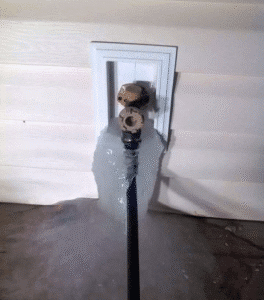
It’s not uncommon to leave your hoses attached to the spigot, but, with these freezing temps hovering in the single digits this week this can lead to a major inconvenience and repair bill. Water gets trapped in the hose and the ice can build up and break your outdoor spigot. It’s a good idea to remove the hose and cover the spigot with an insulated cover (like this one from HomeDepot) or wrap with a towel.
Be sure that your crawlspace door is properly closed up! Sometimes these can shake loose in storms, especially if things in Richmond, VA get windy.
💧 Keep Those Faucets Dripping!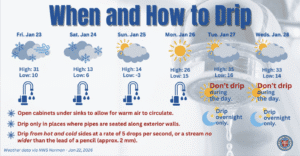
A frozen, broken pipe can be a nightmare. Here is a little guide to help you have an idea to help avoid this disaster. Keep in mind, RVA, that this was pulled from an Oklahoma site, so don’t follow their temperature recommendations. Monitor local weather to know what our temperatures will be like.
- Only drip where pipes are along an exterior-facing wall (see below the video link for specific info on hot-cold dripping)
- Keep cabinet doors under sinks open to allow warmer air to circulate
- In some instances, you may wish to wrap your pipes or use insulating covers available at big box or hardware stores.
- Drip at a slow, steady rate or a small stream no wider than a pencil lead or strand of dry spaghetti (about 2-3 mm.)
- If your house has a basement or crawl space, wrap exposed water pipes to insulate them against freezing.
 🛑 Don’t Drive in the Snow and Ice, Richmond!
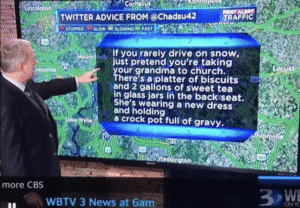
Joy riding in the snow can put a lot of others in harm’s way. If you don’t NEED to be on the roads, please stay off them so emergency vehicles, essential personnel, snow removal, etc. can safely get to where they need to be. If you need to be on the road, here’s a little reminder in case you don’t often travel in winter weather.
“Pretend you’re taking your grandma to church. There’s a platter of biscuits and 2 gallons of sweet tea in glass jars in the back seat. She’s were a new dress and holding a crockpot full of gravy.”
Keep your gas meter clear of ice and snow! ❄️
Just like scraping off your car or shoveling your sidewalks, it’s important to take care of your gas meter after it snows.
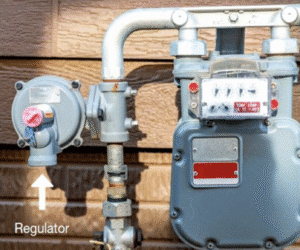
Allowing snow and ice to build up on your natural gas meter, or fall from the roof above your meter, can lead to dangerous damages. Your natural gas meter’s regulator vent must always be clear so the flow of natural gas into the home can be regulated properly. If this vent becomes plugged, the pressure of gas flowing into the home could either increase to a dangerous level, resulting in a fire, explosion or the buildup of deadly carbon monoxide, or decrease, preventing natural gas from flowing to your gas appliances.
Allowing a large amount of snow to pile up on a meter can lead to pipes breaking, causing dangerous gas leaks. After every snow, be sure to clear off your gas meter gently using your hands or a broom. Never use a shovel on the meter. If you rely on a snow removal company to clear your property, be sure they are also safely clearing snow and ice from your meter, and a path to your meter. If you have a seasonal property or are away on vacation, ask someone to check your natural gas meter and vents, especially after a significant storm. Snow should also be cleared from the roof above the meter to prevent falling snow or ice from damaging the meter or associated piping.
After major snowstorms, take a walk around your property and ensure all vents are clear of snow or ice and that there is a path to your gas and electric meter in case we need to access them in an emergency. Also, be sure all appliance exhaust vents are clear from snow – especially after a winter storm.
This information is pulled from NorthWestern Energy
🏠 Generator Tips from Hanover County Fire/EMS
Here are some safety tips for using a portable generator during a power outage:
• Keep the generator outdoors: Always operate it in a well-ventilated area to prevent carbon monoxide buildup.
• Maintain a safe distance: Place the generator at least 20 feet away from your home and any windows, doors, or vents.
• Use a transfer switch: Connect your generator to your home’s electrical system using a transfer switch to avoid backfeeding, which can endanger utility workers.
• Avoid overloading: Check the generator’s wattage capacity and only connect essential appliances to prevent overload.
• Use heavy-duty extension cords: Ensure they are rated for outdoor use and compatible with your generator.
• Keep fuel stored safely: Store fuel in approved containers away from living areas, and never refuel while the generator is running.
• Regularly check for leaks or damage: Inspect the generator before use to ensure it’s in good working condition.
• Monitor the generator while in use: Never leave it running unattended.
• Follow manufacturer’s instructions: Always adhere to the guidelines provided in the user manual.
• Plan for power restoration: Stay informed about estimated restoration times and be prepared to turn off the generator when power returns.
🔧 Stay Safe RVA!
Ready to upgrade your heating and cooling system to an American Standard heat pump?
📞 Call West End Heating & Air today 804.288.4747
or
📅 Schedule your free estimate online!
We proudly serve:
Richmond, Glen Allen, Short Pump, Henrico, Chesterfield & surrounding areas.
Related Posts